

Philanthropy California is proud to co-sponsor the upcoming series by the Funders Census Initiative and the Democracy Funders Collaborative Census Subgroup. Throughout September, this three-part webinar series will feature national partners presenting their findings.
The IRS Form 990 is a complex, comprehensive document — and a useful tool for confirming an organization is meeting its not-for-profit requirements. It can also provide insight into important opportunities and help reveal information related to your organization’s financial health.
In times of uncertainty, it’s more important than ever for funders to be aware of their grantees’ financial health.
On April 26, 2021, the United States Census Bureau (USCB) released the census apportionment data. This census data is used to allocate seats in the U.S. House of Representatives among states marking the beginning of the next phase of work: redistricting.
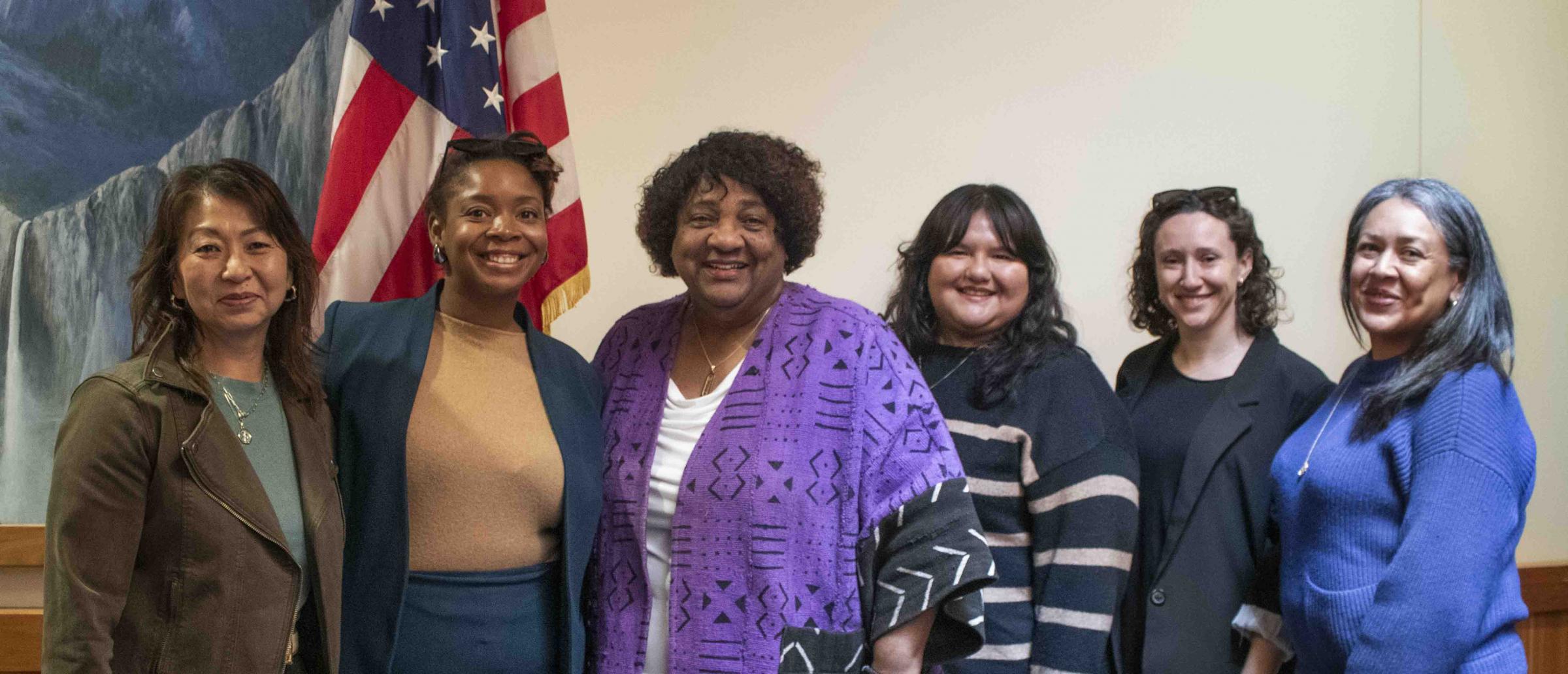
We will see you soon at the Better California Gathering on July 26th at San Diego Grantmakers.
As we approach the 2026 midterm elections, we all have a role to play in strengthening civic institutions, protecting our fundamental freedom to vote, and ensuring election integrity. The consequences of failing to do so threaten the very fabric of our democracy.
The California College Student Emergency Support Fund launched on April 2nd to give one-time $500 hardship grants to students.
We at The Community Foundation of Mendocino County have been closely following the novel coronavirus, and are taking necessary precautions.
About this Series
Western landscapes have always burned and always will. The more we suppress fire and change the climate, the more catastrophic wildfires become. How can we make communities and wild lands more resilient in the age of megafire?
United Way of San Diego County is hosting the San Diego Worker Assistance Initiative as part of the greater San Diego COVID-19 Community Response Fund, to provide flexible resources to individuals impacted by layoffs and reduced working hours implemented by employers.
Borealis Philanthropy’s Fund for Trans Generations, Destination Tomorrow’s TRANScend Community Impact Fund, and Third Wave Fund have launched the COVID-19 Collective Fund for Trans Communities to get financial resources to trans-led organizations and transgender, gender nonconforming, and non-bin
Since elected, Governor Gavin Newsom and his administration have been committed to driving inclusive, equitable investment throughout California, with a particular focus on the underinvested regions of inland California, from the San Joaquin Valley to the Inland Empire.
On December 6, we look forward to sharing and discussing the next steps to advance our long-term agenda and building momentum for emergent near-term efforts in 2020.
We are no longer accepting applications for the cohort. Please contact Phuong Pham at phuong@socalgrantmakers.org if you have any questions.
About this Series
Western landscapes have always burned and always will. The more we suppress fire and change the climate, the more catastrophic wildfires become. How can we make communities and wild lands more resilient in the age of megafire?
Come, join us for a collective pause for mental hygiene curated by NCG's Senior Fellow Caitlin Brune and led by Mindfulness Coach Salina Mae. This brief period for meditation, gentle mindful movement, and quiet reflection in community is open to all skill levels. Beginners welcome!
Come, join us for a collective pause for mental hygiene curated by NCG's Senior Fellow Caitlin Brune and led by Mindfulness Coach Salina Mae. This brief period for meditation, gentle mindful movement, and quiet reflection in community is open to all skill levels. Beginners welcome!
Come, join us for a collective pause for mental hygiene curated by NCG's Senior Fellow Caitlin Brune and led by Mindfulness Coach Salina Mae. This brief period for meditation, gentle mindful movement, and quiet reflection in community is open to all skill levels. Beginners welcome!