

The Assembly Select Committee on the Census, the Assembly Select Committee on the Nonprofit Sector, and the Senate Select Committee on the 2020 US Census will meet to discuss the 2020 Census.
Philanthropy and the nonprofits they support we’re engaged in incredible work at the start of 2020. But the world drastically changed in March of last year.
Thank you for agreeing to speak at the Philanthropy California 2020 Policy Summit! Please review these terms and conditions before accepting. They will also be sent to you via email for your reference as the Summit approaches.
Materials (optional)
As California prepares for its first all-mail voting election, philanthropy can provide resources in critical areas to ensure that all voters – particularly people of color, immigrants, new voters, and first-time voters – can fully participate in our democracy.
Since coming to office, Governor Gavin Newsom has made bold investments in California's children- from $1.8 billion in early childhood to a comprehensive paid family leave policy.
What practices help buy ourselves up amid continued suffering, outsized need, and needless violence and put our shoulders behind possibility, transformative movements, and new connection? How do we maintain steadiness and clear-sightedness about the steps toward a future worth living?
Join us for a full-day funders convening and Reinvention Tour with Mayor Michael Tubbs to learn about Stockton's transformative initiatives, including the Stockton Scholars College Promise Campaign, the Universal Basic Income pilot program, the South Stockton Promise Zone collective impact collaborative and the Advance Peace program that was recently approved to address community violence and trauma. We invite you to be a partner during this pivotal moment for Stockton as dynamic partnerships between community organizations, civic institutions and public officials are leveraging community impact strategies to rectify decades of underinvestment and neglect.
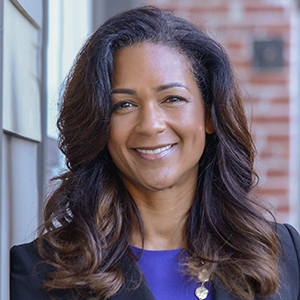
Across the nation, numerous initiatives and programs are converging to create an increased focus on nonprofit overhead and funding the full cost of program delivery. As this conversation takes place nationally, we are engaging California funders in a dialogue that can shape better outcomes for the sector.
Since October 2017, the U.S. government has forcibly separated at least 2,400 children—including hundreds who are under four years old—from their parents as they arrive on our southern border seeking refuge.
Over the weekend, the Carr Fire in Shasta County intensified, with nearly 100,000 acres now burned, over 720 homes and 240 other buildings destroyed, and six deaths.
Across the nation, numerous initiatives and programs are converging to create an increased focus on nonprofit overhead and funding the full cost of program delivery.
The changing demographics and political attitudes of the Central Valley - a traditionally conservative region of California - demand new strategies for community and civic engagement.
Here’s what we’re learning from recent funder efforts: the most successful transitions to Full Cost funding have included securing executive buy-in; providing support and training to the staff that structure and disperse grants; and bringing grantees into the process with open and honest communic
About this Series
Western landscapes have always burned and always will. The more we suppress fire and change the climate, the more catastrophic wildfires become. How can we make communities and wild lands more resilient in the age of megafire?
In the wake of COVID-19 and a long-overdue national reckoning on racism, the call for all sectors to address structural racism has rarely been stronger.