

Join Nonprofit Finance Fund and Philanthropy California to advance full cost practices for the nonprofit sector by participating in a remote learning series in April. This workshop series invites you to take what you’ve learned as a nonprofit leader or funder and help pave the way for others to have transformative conversations about more equitable funding practices.
As California recovers from one of the worst wildfire disasters in its history, there is growing concern and confusion regarding the rapid changes happening to federal emergency management infrastructure and policy. Fortunately, Philanthropy California has a strong network of partners who are already providing research, policy analysis, and real-time context of the shifting landscape in D.C., which the philanthropic sector can leverage to inform their approach to disaster preparedness and resilience.
Over the weekend, the Carr Fire in Shasta County intensified, with nearly 100,000 acres now burned, over 720 homes and 240 other buildings destroyed, and six deaths.
Philanthropy California is proud to co-sponsor the upcoming series by the Funders Census Initiative and the Democracy Funders Collaborative Census Subgroup. Throughout September, this three-part webinar series will feature national partners presenting their findings.
The changing demographics and political attitudes of the Central Valley - a traditionally conservative region of California - demand new strategies for community and civic engagement.
Presented in partnership with the California Budget & Policy Center, SCG’s Public Policy Conference is the preeminent convening in our region that brings together hundreds of your peers from the philanthropic and civic sectors to take an in-depth look at the latest policy analysis and research and to prepare for and address key issues impacting our work. At this conference, you will connect with peers and gain powerful ideas and insights to advance your work and lead meaningful change with partners in our sector and beyond.
On December 6, we look forward to sharing and discussing the next steps to advance our long-term agenda and building momentum for emergent near-term efforts in 2020.
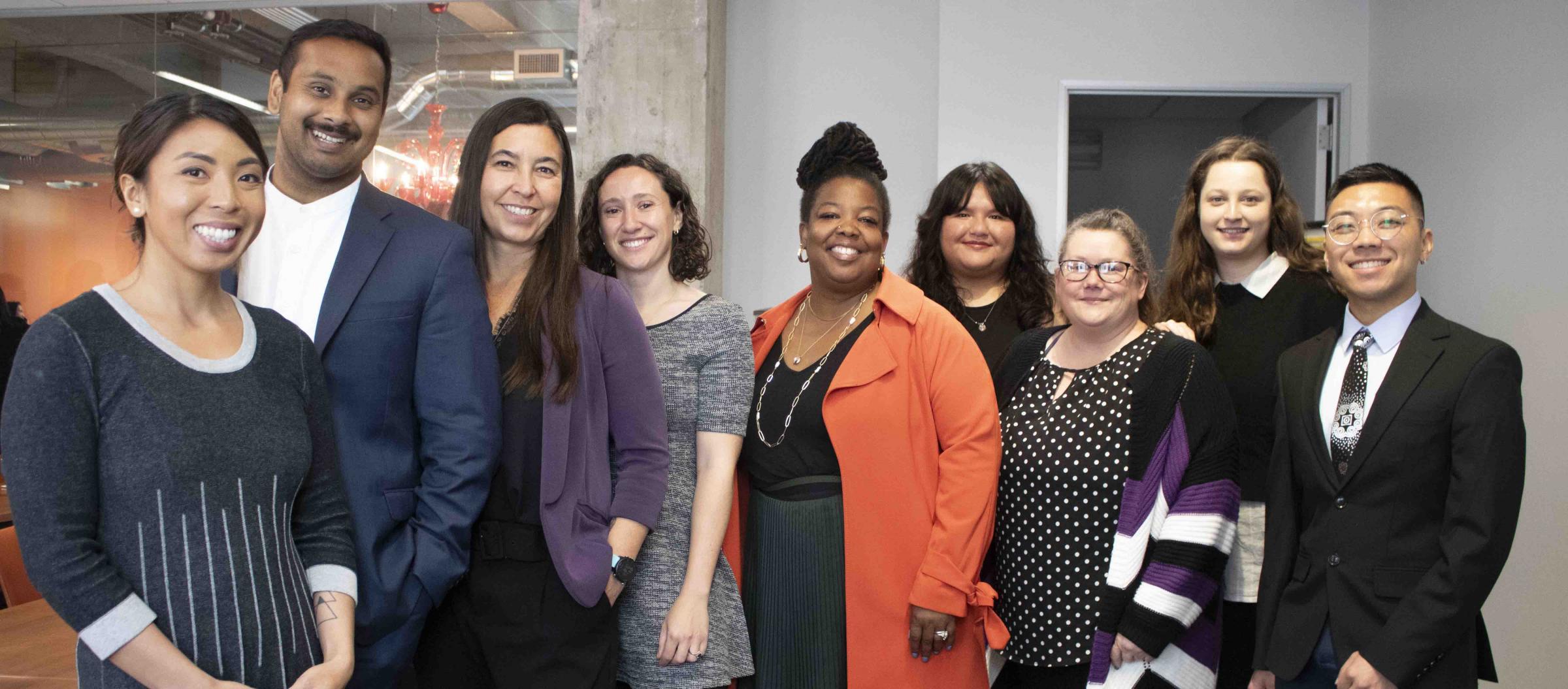
In philanthropy, we sometimes overlook or deprioritize the interpersonal skills required to do this work well. This includes the ability to connect dots, show up in an emotionally intelligent way, listen actively and empathically, and know when to get out of the way. It also requires a clear understanding of power, and how power imbalances between funders and grantee partners are exacerbated by race, gender, and class inequities. Cultivating and advancing effective interpersonal skills requires practitioners to bring self-awareness, self-regulation, empathy, and willingness to take multiple perspectives into account.
A California that allows all residents to reach their full potential requires both a focus on racial equity, inclusion, and justice, and a commitment to challenging the systemic issues that permeate our society and government, even in this great state.
Whether you’ve been explicitly targeted or looking to feel more prepared, you’ll want to join the next CA Policy Forum. A panel of two of the state’s most experienced nonprofit attorneys will offer an expert briefing, guidance and tools to help you better understand and address the federal pressure or legal threats that your organization might be facing. Our speakers will break down complex legal concepts into clear, actionable guidance.
About this Series
Western landscapes have always burned and always will. The more we suppress fire and change the climate, the more catastrophic wildfires become. How can we make communities and wild lands more resilient in the age of megafire?
This past year, California encountered its most challenging period in recent history.
Midterm elections are quickly approaching, and California’s new redistricting lines are already having an effect on the voting landscape.
Governor Gavin Newsom and his administration have taken significant steps to put California on the path towards a greener, more sustainable climate future. So far, Governor Newsom has pledged to conserve 30 percent of the state's land and coastal water by 2030, announced a phase-out of gasoline-powered vehicles by 2035, and proposed a comprehensive job and climate action plan. The state is enacting bold strategies to combat climate change, all while seeking to reduce the state's carbon footprint and bolster long-term economic growth. In September 2020, the Governor also directed the Office of Planning and Research to partner with the Labor and Workforce Development Agency to design and deliver the state's first High Road Transition Roadmap by July 2021.
Despite the Administration’s efforts to weaponize basic needs programs, the new public charge rule will not go unchallenged. Already legal challenges have been filed to prevent the rule from going into effect. Funders can play a critical role in protecting the health and well-being of immigrant families. We're sharing specific actions that funders should consider.
This spring, Philanthropy California made its debut on Capitol Hill with our state’s largest organized delegation ever.
What does 2022 have in store for public policy in California?