

Join Nonprofit Finance Fund and Philanthropy California to advance full cost practices for the nonprofit sector by participating in a remote learning series in March. This workshop series invites you to take what you’ve learned as a nonprofit leader or funder and help pave the way for others to have transformative conversations about more equitable funding practices.
Join Nonprofit Finance Fund and Philanthropy California to advance full cost practices for the nonprofit sector by participating in a remote learning series in April. This workshop series invites you to take what you’ve learned as a nonprofit leader or funder and help pave the way for others to have transformative conversations about more equitable funding practices.
Immigration proceedings are civil, not criminal, which means that the government will not provide a lawyer to people who cannot afford one.
COVID-19 presents tremendous challenges for already struggling refugee families. The majority of San Diego’s refugee workers are in the restaurant, hotel, and transportation industries hardest hit by the pandemic.
This past year, California encountered its most challenging period in recent history.
With more than 30 new state legislators taking office in Sacramento, a $25 billion budget shortfall projected by the Governor, and the looming threat of recession, 2023 presents significant changes and challenges for those of us in the charitable sector working to support vulnerable Californians throughout the state. Get your bearings for the year to come! Join the California Policy Forum and a slate of in-the-know speakers for an overview of the changing political and economic landscape in our state.
A California that allows all residents to reach their full potential requires both a focus on racial equity, inclusion, and justice, and a commitment to challenging the systemic issues that permeate our society and government, even in this great state.
Philanthropy’s response to the novel coronavirus has been quick and generous. Many are asking, “Who have we reached? Who have we missed?”
We are helping our partners at Candid track philanthropy’s response to the coronavirus pandemic. We urge our members to share what they’ve done in this publicly available map
As California wildfires devastate communities throughout the state, significant financial, material and human resources are deployed to support recovery and reduce their threats on communities.
Hispanics in Philanthropy (HIP) invites its members to contribute to the COVID-19 Rapid Response Migration Fund, which will provide emergency mini-grants to frontline organizations responding to the immediate needs of migrants and refugees to respond to the unprecedented challenge of the COVID-19
A Californian coalition (The Economic Mobility Collaborative) sets out this vision: “Every Californian should have a chance to work, to discover their potential, and to share that potential with others.” The Collaborative suggests tha
With much at stake in this upcoming election, Philanthropy has an opportunity to make a difference for our democracy. The final results of the November 2020 election, Census 2020, and redistricting will influence where our energies are needed in the years ahead.
Unprecedented levels of drought continue to plague California and show no signs of slowing down.
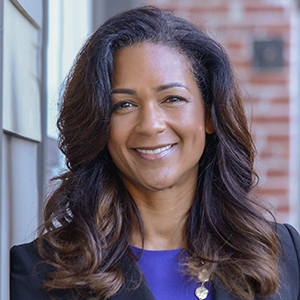
Leading the city post-bankruptcy is Mayor Michael Tubbs, who has garnered considerable media attention. Tubbs, who had served a four-year city council term, was elected mayor in November 2016 with 70 percent of the vote, becoming the city’s first Black mayor and, at the age of 26, its youngest ever as well.
March 1st marked the beginning of California’s transition to a Third Party Administrator (TPA), Blue Shield of California, to manage vaccine administration statewide. As this transition occurs, public-private partnerships will become more crucial than ever. Join us to hear from Blue Shield directly about their work, and to hear from state leaders on how they plan to coordinate with the TPA and continue to center equity in this next phase of vaccine distribution. Speakers will highlight key opportunities for philanthropy, and investments that are needed now to shore up our communities in ways that will engender long-term sustainability well beyond the current crisis.
As California recovers from one of the worst wildfire disasters in its history, there is growing concern and confusion regarding the rapid changes happening to federal emergency management infrastructure and policy. Fortunately, Philanthropy California has a strong network of partners who are already providing research, policy analysis, and real-time context of the shifting landscape in D.C., which the philanthropic sector can leverage to inform their approach to disaster preparedness and resilience.